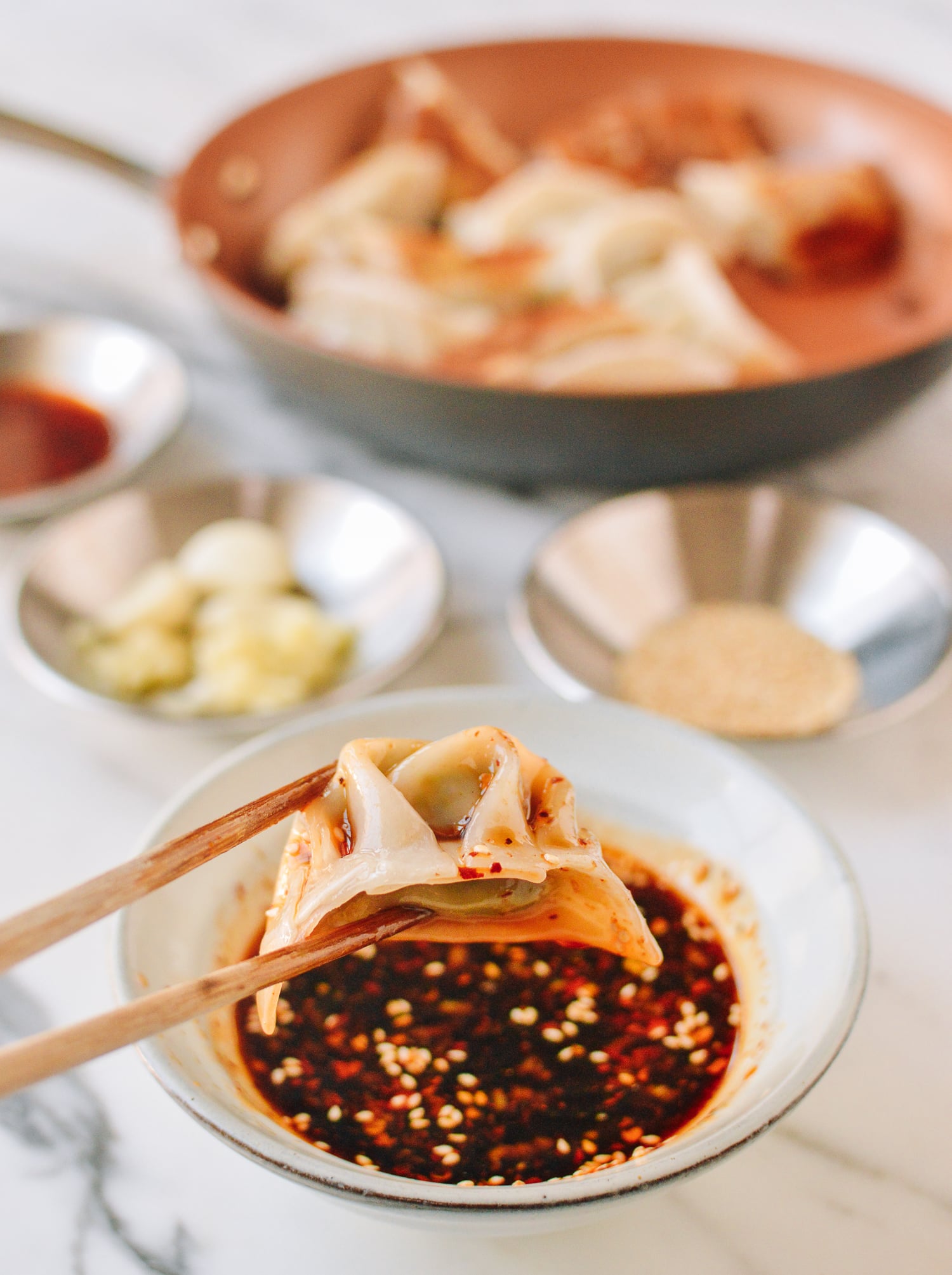
There are few culinary delights as universally beloved as the humble dumpling. Whether steamed, boiled, or pan-fried to a crispy perfection, these parcels of savory joy offer an endless variety of fillings and textures. Yet, despite the meticulous effort that often goes into crafting the perfect dumpling, one crucial element is frequently overlooked or underestimated: the dumpling sauce. All too often, a plate of exquisite dumplings is met with nothing more than a hasty splash of black vinegar or a dollop of store-bought chili oil, leaving a significant part of the culinary experience untapped.
The truth is, a truly outstanding dumpling sauce isn't just an accompaniment; it's an integral component that elevates the entire dish. It provides a crucial contrast, a vibrant counterpoint that cuts through the richness of the filling and enhances every bite. The good news? Crafting an incredible dipping sauce doesn't require hours in the kitchen. In fact, most can be whipped up in mere minutes, transforming an "okay" dumpling experience into a truly memorable one. It's about understanding the foundational elements and how they dance together on your palate.
The Alchemy of Flavor: What Makes an Exceptional Dumpling Sauce?
At its heart, a fantastic dumpling sauce is a delicate balance of contrasting yet complementary flavors. Think of it as a symphony where each note plays a vital role in creating a harmonious whole. The most effective sauces hit all the essential taste buds: salty, sweet, spicy, and tangy (or sour), often with a robust undercurrent of umami. This multi-layered approach ensures that every dunk is an explosion of flavor, stimulating your palate and leaving you wanting more, even after the last dumpling has been devoured.
- Salty: The Foundation. This is the backbone of most savory sauces, providing depth and enhancing other flavors. Too little, and the sauce feels flat; too much, and it overpowers.
- Sweet: The Counterpoint. A touch of sweetness rounds out sharp edges, balances the salt, and adds a pleasing complexity. It prevents the sauce from becoming one-dimensional.
- Spicy: The Kick. For many, a good dumpling sauce isn't complete without a bit of heat. This can range from a subtle tingle to a fiery punch, adding excitement and warmth.
- Tangy/Sour: The Brightness. This is the crucial element that cuts through richness, adds zest, and refreshes the palate. It provides a much-needed lift and prevents the sauce from feeling heavy.
- Umami: The Depth. Often described as a savory, rich, or meaty flavor, umami provides a profound satisfaction that makes the sauce incredibly addictive. It's that "more-ish" quality.
The beauty of a well-balanced dumpling sauce is that it's often so good, you might find yourself wishing you had more dumplings just to keep dipping! It's a personal journey to discover your ideal combination, but understanding these core flavor profiles is the first step towards culinary mastery.
Deconstructing the Core Ingredients of Your Perfect Dumpling Sauce
While specific ratios can vary, the core ingredients for most classic Asian-inspired dumpling sauce recipes remain consistent. Let's delve into each component and its contribution:
1. Soy Sauce: The Umami Anchor
As the primary base, soy sauce provides the essential salty and savory umami notes. It’s non-negotiable. While regular light soy sauce is standard, you can experiment with low-sodium varieties if you're mindful of salt intake, or even a dash of dark soy sauce for a deeper color and richer, slightly sweeter flavor profile. Remember, soy sauce can be quite potent, so balance is key.
2. Water: The Diluent and Dissolver
A tablespoon or so of hot water is often added to thin the soy sauce slightly and, crucially, to help dissolve the sugar. This step ensures a smoother, more integrated sauce texture and prevents a gritty mouthfeel. Don't skip it; it makes a subtle but important difference.
3. Sugar: The Sweet Harmonizer
Just a teaspoon of granulated sugar works wonders to balance the tang of vinegar and the saltiness of soy sauce. It rounds out the flavors and prevents the sauce from tasting too harsh. While granulated sugar is common, some enthusiasts might experiment with a tiny drop of honey or even a pinch of brown sugar for a different nuance.
4. Rice Vinegar: The Tangy Awakener
Rice vinegar is the source of that essential bright, sour kick that refreshes the palate. It cuts through the richness of the dumpling filling beautifully. White rice vinegar is standard, but you could try Chinese black vinegar for a deeper, maltier, and slightly smoky tang, which pairs wonderfully with pork dumplings.
5. Chili Oil: The Spicy Persona
For those who love a bit of heat, chili oil is indispensable. Preferably, choose one with a generous amount of crunchy chili flakes for added texture and a more robust flavor, like a homemade chili oil. If you prefer a milder sauce, start with less or use a less potent brand. You can also adjust the heat by adding a tiny pinch of fresh or dried chili flakes directly to the sauce if your chili oil is more about aroma than spice.
6. Minced Garlic: The Pungent Punch
This is where things get exciting. Freshly minced raw garlic provides an irreplaceable sharp, pungent lift to the sauce. It's spicy, vibrant, and adds a freshness that cooked garlic simply cannot replicate. Do not underestimate its power; it makes a huge impact. Ensure it's very finely minced or even grated for the best integration of flavor.
7. Toasted Sesame Oil: The Nutty Aroma
A small dash of toasted sesame oil contributes a deeply aromatic, nutty richness that beautifully rounds out the entire flavor profile. It’s an finishing oil, meant to be added at the end, providing a fragrant flourish. Ensure you use toasted sesame oil for that characteristic, intense aroma.
8. Toasted Sesame Seeds: The Garnish and Texture
These tiny powerhouses offer a subtle crunch, visual appeal, and a hint of extra nutty flavor. They're a simple yet effective finishing touch that adds another layer of sensory enjoyment.
Beyond the Basics: Elevating Your Dumpling Sauce Game
While the classic components create an incredible sauce, there's always room for personalization and experimentation. Think of the foundational recipe as a springboard, not a rigid rule book.
- Fresh Aromatics: Consider adding a teaspoon of finely chopped scallions or cilantro for an extra layer of freshness and color. Ginger, thinly sliced or grated, can also introduce a warm, zingy note.
- Umami Boosters: For an even deeper umami punch, a tiny splash of mushroom powder or even a drop of oyster sauce (if suitable for your dietary preferences) can work wonders.
- Citrus Zest: A microplane grating of fresh orange or lime zest can introduce a bright, aromatic counterpoint, particularly with certain seafood or vegetable fillings.
- Sweet Variations: Instead of granulated sugar, try palm sugar for a richer, more caramel-like sweetness, or even a tiny amount of fruit juice like pineapple or apple for a subtle, natural sweetness and tang.
- Texture Play: While most dumpling sauces are liquid, some prefer a slightly thicker consistency. A minuscule amount of cornstarch slurry (mixed with cold water, then briefly heated to thicken) could be used, though this is less traditional for a dipping sauce.
The key to a truly personalized sauce is to taste as you go. Start with the basic ratios, then add small increments of ingredients, adjusting until you hit your ideal balance. Don't be afraid to tweak; your ideal dumpling sauce is uniquely yours! Remember that practice makes perfect, and each batch brings you closer to your signature blend. These principles aren't just for dumplings; many of these sauces are versatile enough to pair with spring rolls, noodles, grilled meats, or even roasted vegetables.
A Simple Starting Point: Your 5-Minute Classic Dumpling Sauce Recipe
Ready to experience the difference a great sauce makes? Here’s a quick, easy-to-follow recipe to get you started:
Ingredients:
- 1 tablespoon hot water
- 1 teaspoon granulated sugar
- 2 tablespoons light soy sauce
- 1 teaspoon rice vinegar
- 1-2 teaspoons chili oil (adjust to your spice preference)
- 1 teaspoon finely minced fresh garlic
- 1 teaspoon toasted sesame seeds
- ½ teaspoon toasted sesame oil
- Optional: ½ teaspoon finely chopped scallions or cilantro
Instructions:
- In a small bowl, combine the hot water and sugar. Stir well until the sugar is completely dissolved.
- Add the soy sauce, rice vinegar, chili oil, minced garlic, sesame seeds, and toasted sesame oil to the bowl.
- Stir vigorously to combine all the ingredients thoroughly. Taste and adjust any components as needed – add more sugar for sweetness, vinegar for tang, or chili oil for spice.
- If using, stir in the optional chopped scallions or cilantro just before serving.
- Serve immediately with your freshly cooked dumplings! This sauce is best when prepared just before eating to ensure the garlic's sharpest notes are present.
This recipe is designed to be made while your dumplings are steaming, boiling, or frying. It takes literally minutes but yields a flavor profile that will significantly enhance your meal.
Conclusion
The journey to crafting the ultimate dumpling sauce is a delightful one, transforming a simple meal into an extraordinary culinary event. By understanding the interplay of salty, sweet, spicy, and tangy flavors, and appreciating the unique contribution of each ingredient, you unlock a world of delicious possibilities. So, next time you prepare a batch of your favorite dumplings, take that extra five minutes. Invest a little thought into your dipping sauce. You'll quickly realize that this small effort yields a profound reward, proving that the perfect dumpling isn't just about the filling and wrapper—it's about the unforgettable sauce that brings it all together. Go forth and dip, experiment, and savor every exquisite bite!
